
Mastering the art of bluffing in poker at the casino
Understanding Bluffing in Poker
Bluffing is a fundamental aspect of poker that distinguishes adept players from novices. It involves the strategic act of misleading opponents regarding the strength of your hand, often compelling them to fold superior cards. This technique relies on psychological tactics and requires a deep understanding of your opponents’ tendencies, especially in environments like no verification casinos where the unpredictability can be heightened. Bluffing transcends merely pretending to hold better cards; it is an intricate maneuver aimed at manipulating the dynamics of the game, creating a compelling narrative around your play.
The success of a bluff is highly dependent on timing and the context of the game. For example, if you identify an opponent as overly cautious or playing conservatively, an unexpected bluff can force them to relinquish a hand they would otherwise play. Conversely, bluffing against an aggressive player can be perilous, as they may be more inclined to call your bet rather than fold. The complexities of bluffing become even more pronounced in high-stakes games, where the players expect deception to be a part of the challenge, thus making your strategies even more critical.
Moreover, successful bluffing requires a careful assessment of your table image. If you have been playing conservatively, a sudden aggressive move can catch your opponents off guard, giving you an opportunity to claim the pot. However, if you’ve previously been caught bluffing, your credibility may diminish, making it harder to execute future bluffs. Recognizing the moments to bluff and understanding the right circumstances in which to deploy this tactic is essential for any player aiming to excel in poker.
Reading Your Opponents
The ability to read your opponents is one of the most crucial skills in poker. This skill necessitates keen observation of their behaviors, betting patterns, and emotional responses throughout the game. Players often exhibit subtle tells that can provide invaluable insights into their potential hands. For instance, if a player suddenly becomes quiet or starts to fidget when they have a strong hand, it may indicate confidence that you can exploit by bluffing.
Additionally, interpreting your opponents’ actions can significantly enhance your decision-making regarding when to bluff. If a player consistently raises their bets with strong hands, they may become susceptible to pressure when they falter in confidence. Being attuned to these dynamics enables you to make strategic decisions and capitalize on your opponents’ weaknesses while protecting your own hand’s strength. The more you practice this skill, the more adept you will become at discerning the subtleties of player behavior.

As you cultivate your ability to gauge whether your opponents are likely to fold or call your bluff, you will discover that your bluffing strategy naturally improves. Engaging in various gameplay scenarios allows you to enhance your skills in recognizing patterns and predicting behavior. Over time, this practice will lead to an increasing number of successful bluffs, granting you a significant advantage at the table.
Timing and Position in Bluffing
Timing is crucial to the success of a bluff in poker, as knowing when to make your move can often determine whether your opponents will fall for your ruse. Bluffing early in a hand can be risky, particularly against players who are still assessing their cards and might be unwilling to fold. However, later in the betting rounds, when stakes are higher, presents prime opportunities for a well-executed bluff. The pressure associated with a potentially large pot can cloud opponents’ judgment, making them more likely to fold even if they hold reasonable hands.
Your position at the table plays a significant role in shaping your bluffing strategy. In early positions, it’s essential to adopt a more cautious approach, as the players following you will have additional information about potential hands. However, when seated in late positions, you can leverage your standing to bluff effectively, especially if the players before you have displayed weakness. By maintaining a flexible approach that adjusts based on your position, you can seamlessly integrate bluffing into your broader strategy.
Furthermore, considering the size of the pot can enhance your bluffing effectiveness. If the pot is substantial, players may be more inclined to chase draws, which can make bluffing less effective. Conversely, if the pot is smaller, they might be less willing to risk their chips, creating a more favorable environment for a successful bluff. The interplay of timing and table position creates a dynamic landscape where your bluffing skills can thrive.
Common Bluffing Mistakes to Avoid
Even seasoned players can fall prey to common bluffing mistakes that can undermine their effectiveness at the poker table. One major error is over-bluffing, which can lead to a loss of credibility among opponents. When players frequently attempt to bluff, seasoned opponents will catch on, rendering future attempts less effective. A successful bluffer understands the importance of maintaining an unpredictable strategy that keeps opponents guessing while also choosing their moments wisely.
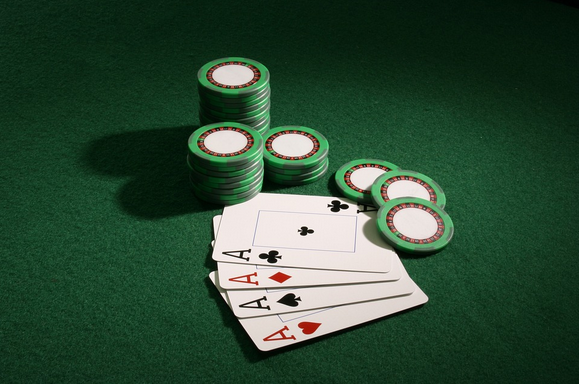
Another prevalent mistake involves bluffing against the wrong type of player. Bluffing is most effective against cautious players who are unlikely to call without strong hands. Attempting to bluff aggressive players can often backfire, as they are more likely to call your bets. Understanding your opponents’ play styles is crucial for identifying the right moments to bluff and ensuring that your efforts yield the desired results.
Finally, failing to consider the community cards can lead to misguided bluffing attempts. For instance, if the board displays potential high hands or draws, your opponents might feel compelled to call due to the possibility of completing their hands. Always evaluate the community cards to ensure that your bluff aligns with the story you are attempting to construct; otherwise, your attempt to deceive may become glaringly obvious.
Conclusion and Resources
Mastering the art of bluffing in poker requires a blend of psychological insight, strategic timing, and a thorough understanding of your opponents. By focusing on the nuances of gameplay and avoiding common pitfalls, players can refine their bluffing techniques and significantly increase their chances of success at the table. Regardless of whether you are a novice or an experienced player, developing your bluffing skills will have a profound impact on your overall gameplay.
For those eager to elevate their poker performance, a wealth of resources is available to deepen your understanding of poker strategies, including bluffing techniques. Engaging with online communities, reading strategy guides, and studying professional players can provide valuable insights that will aid in your journey to becoming a formidable presence at the poker table. Mastering these skills not only leads to more exhilarating gameplay experiences but also enhances your success in the casino environment.
Ultimately, the journey to becoming a master bluffer is ongoing. As you absorb knowledge, apply new strategies, and learn from each session, your confidence and skill will grow. The art of bluffing is not just about deception; it’s about understanding the game and the players around you. With dedication and practice, you can turn bluffing into a powerful weapon in your poker arsenal, making your presence at the casino both competitive and thrilling.